
Embracing Nature in Early Childhood Education

In a world increasingly dominated by screens and urban landscapes, the importance of nature in early childhood education cannot be overstated. Children are naturally curious, and engaging with the environment around them fosters a sense of wonder and discovery. By integrating nature into educational practices, we can cultivate not only a love for the outdoors but also essential skills that will benefit children throughout their lives.

The Benefits of Nature in Early Childhood Education
Cognitive Development
Nature provides a rich sensory experience that is crucial for cognitive development. When children interact with natural elements, they engage their senses—sight, sound, touch, and even smell. This multi-sensory engagement enhances their learning and memory retention. For example, observing the growth of a plant can teach children about life cycles, while listening to the sounds of birds can spark curiosity about wildlife.
Physical Health
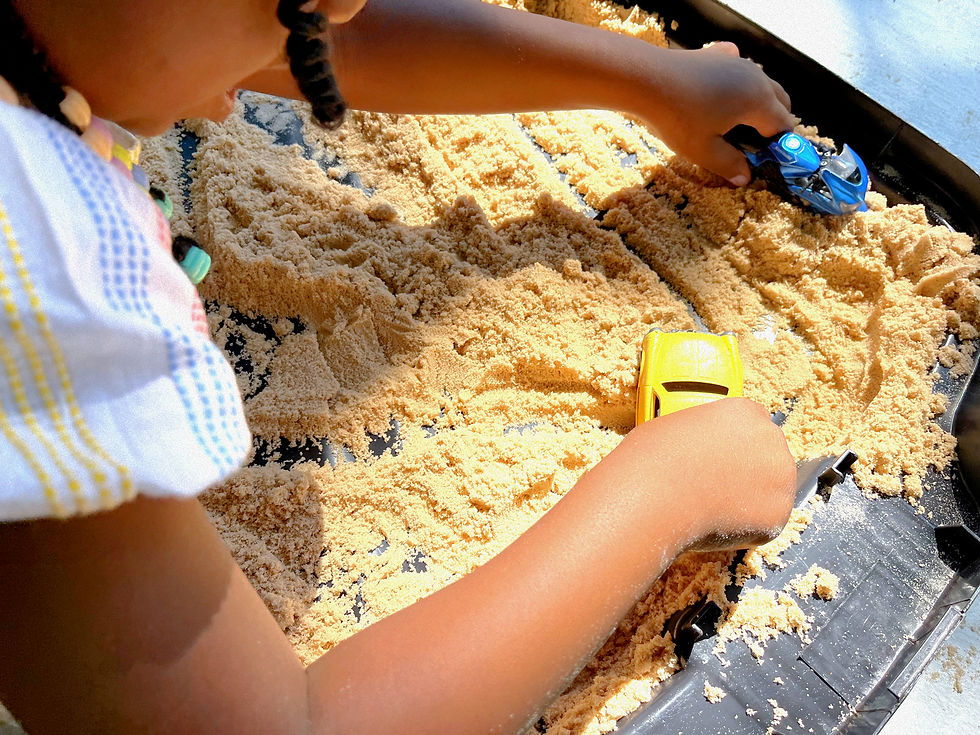
Outdoor play is essential for physical health. Activities like climbing trees, running on grass, or playing in the dirt promote gross motor skills and overall fitness. Studies show that children who spend more time outdoors are less likely to be overweight and have better cardiovascular health. Moreover, exposure to sunlight helps in the production of Vitamin D, which is vital for bone health.
Emotional Well-being
Nature has a calming effect on children. Spending time outdoors can reduce stress and anxiety, promoting emotional well-being. Natural settings encourage imaginative play, allowing children to express themselves freely. For instance, a simple stick can become a sword, a wand, or a tool for building a fort. This kind of imaginative play is crucial for developing creativity and problem-solving skills.
Social Skills
Playing in nature often involves collaboration and teamwork. Children learn to communicate, negotiate, and resolve conflicts while engaging in group activities like building a fort or organizing a treasure hunt. These experiences foster social skills that are essential for their future interactions.

Integrating Nature into the Curriculum
Outdoor Classrooms
Creating outdoor classrooms is an effective way to integrate nature into early childhood education. These spaces can be designed with various natural elements such as gardens, water features, and shaded areas for storytelling. For example, a school might set up a small vegetable garden where children can learn about planting, nurturing, and harvesting crops. This hands-on experience not only teaches them about food sources but also instills a sense of responsibility.
Nature Walks
Regular nature walks can be incorporated into the curriculum. These walks provide opportunities for children to observe and interact with their environment. Educators can guide discussions about different plants, animals, and ecosystems. For instance, during a walk in a local park, children can collect leaves and flowers to create a nature scrapbook, reinforcing their learning through art.
Themed Activities
Themed activities centered around nature can enhance learning experiences. For example, a "Weather Week" could involve experiments with rain, sun, and wind. Children can create rain gauges, observe clouds, and even make simple kites. These activities not only teach scientific concepts but also encourage exploration and inquiry.
Storytelling and Nature
Incorporating storytelling that features nature can captivate children's imaginations. Books about animals, plants, and adventures in the wild can be read aloud, followed by discussions or related activities. For example, after reading a story about a caterpillar transforming into a butterfly, children can observe real caterpillars in a garden or even raise their own.
Challenges and Solutions
Urban Environments
One of the significant challenges in integrating nature into early childhood education is the lack of access to green spaces in urban environments. However, educators can overcome this by creating small green areas within school grounds or utilizing community parks. Collaborating with local organizations to establish outdoor learning programs can also provide children with the necessary exposure to nature.
Weather Conditions
Weather can be a barrier to outdoor activities. However, with proper planning and preparation, children can still engage with nature regardless of the weather. For instance, educators can organize activities that are suitable for different weather conditions, such as raincoat painting on rainy days or snowball games in winter. Teaching children to appreciate nature in all its forms can foster resilience and adaptability.
Safety Concerns
Safety is a primary concern when it comes to outdoor play. Educators must ensure that outdoor spaces are safe and well-maintained. Establishing clear guidelines for outdoor activities can help mitigate risks. For example, setting boundaries for play areas and supervising children during outdoor activities can create a safe environment for exploration.
The Role of Educators and Parents
Training and Resources
Educators play a crucial role in integrating nature into early childhood education. Providing training on outdoor education and offering resources can empower teachers to create engaging nature-based curricula. Workshops on nature-based learning strategies can equip educators with the tools they need to foster a love for the outdoors in their students.
Encouraging Parental Involvement
Parents can also play an essential role in embracing nature in their children's education. Encouraging families to spend time outdoors together can reinforce the lessons learned in school. Organizing family nature days or community events can promote a culture of outdoor exploration and learning.
Conclusion
Embracing nature in early childhood education is not just a trend; it is a vital component of holistic development. By integrating nature into the curriculum, we can foster cognitive, physical, emotional, and social growth in children. The benefits of outdoor learning extend far beyond the classroom, shaping children into curious, resilient, and well-rounded individuals.
As educators and parents, we must prioritize outdoor experiences and create opportunities for children to connect with the natural world. Let us work together to cultivate a generation that values and protects our environment, ensuring a brighter future for all.

Comments